[ad_1]
In the month of August this year, I got an invitation to attend the first ever edition of the International Khorsheed Media Festival that took place in Iran’s second-largest city Mashhad from September 29 till October 1. Coming close on the heels of the first death anniversary of Mahsa Amini, an event that rocked the world triggering angry debates around ‘hijab’ and the mandatory dress code that Iranian women have to endure, I thought this will be opportune moment to visit the country and see what the women there feel about the whole incident and whether or not the Iranian women are also living a regressive life like their Afghan counterparts. And if Mahsa Amini has indeed left a mark on the conservative Iranian society.
Interestingly, the maiden edition of the Khorsheed Media Festival was dedicated to the memory of slain Palestinian journalist Shireen Abu Akleh, who was killed by Israeli forces in the occupied West Bank city of Jenin in May 2022. The fest, which was chaired by American-Iranian broadcaster and Press TV host Marzieh Hashemi, witnessed participation by over 100 women journalists from more than 40 countries criss-crossing continents from the Americas, Africa, Europe and Asia.
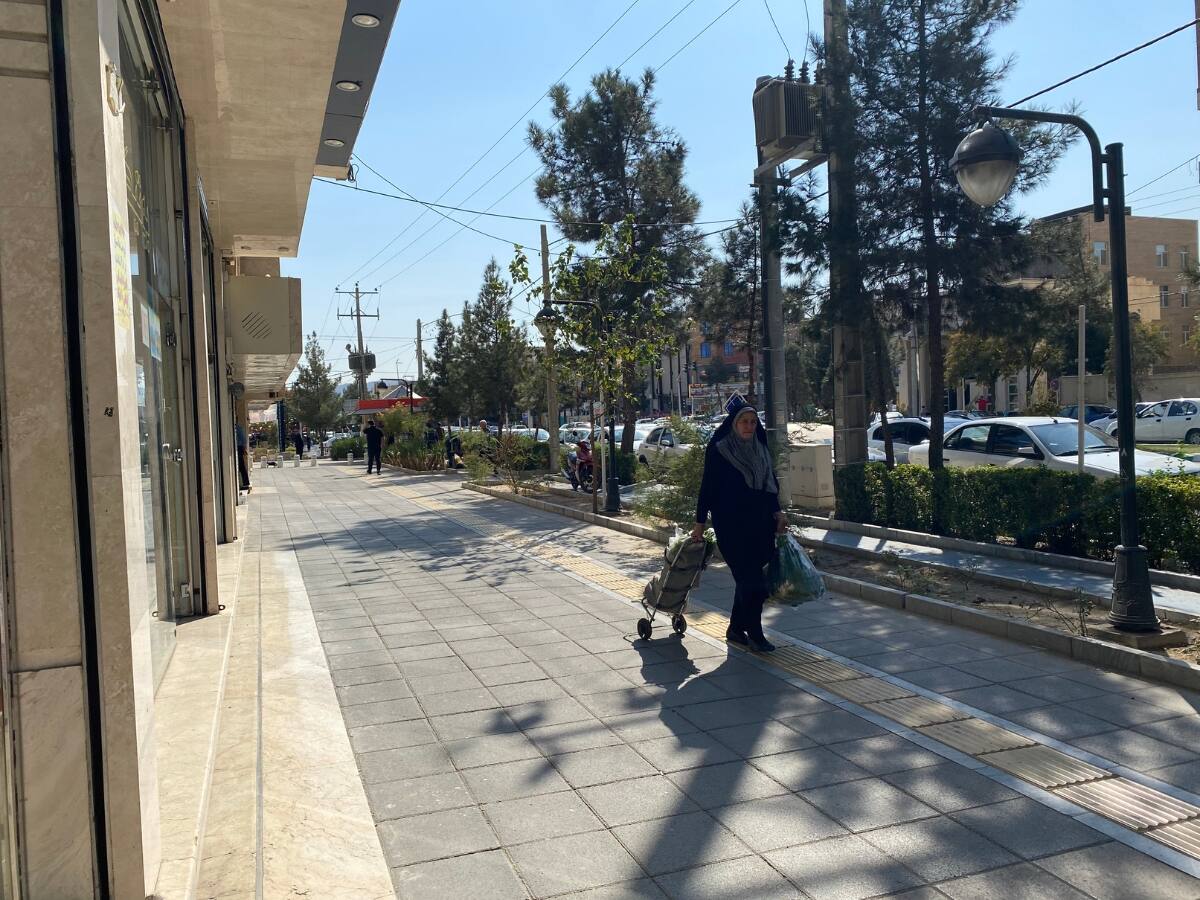
Days before I was to embark on the journey, the organisers sent me an email titled ‘Trip Preparation’ in which they talked about how we the participants should follow “modesty in attire” and how we should adhere to their dress codes. Needless to say, the headwear was the first attire mentioned in the email, along with photos of “acceptable and preferred types of attire”. It also said: “In Iran, both men and women adhere to certain dress codes, albeit with some difference”. Unfortunately, the difference is quite striking to the eye. I saw men wearing traditional to modern attire, including half-sleeve shirts, and women were covered from head to toe. Some prefer and enjoy that way, some revolt. But to say that men and women adhere to certain dress codes appeared to me to be a totally false proposition.
I was the only woman journalist from India to attend the fest and I wanted to understand why has Iran suddenly woken up to the fact that Akleh’s work needed to be celebrated and discussed after more than one year of her death? But it did not take me long to realise that it was the Mahsa Amini incident that pushed an inveterate Iran to host an event of such scale and grandeur. During the entire duration of my stay there, nobody mentioned a word about the incident, not even taking the name in a whimper. But behind the curtains questions were being asked why the host country that witnessed such an incident, followed by a spate of protests, did not discuss the incident even once when the subject was staring right on their faces? Behind our headgears, we were all questioning why was the main issue not being addressed? They could have blamed the West for it as they do so whenever the Mahsa Amini issue is raised. But they strictly avoided it.

However, every session, every programme and every discussion was centred around that incident only, indirectly and by way of bashing the western media and upholding Islamic values and virtues of having a stable “family life” where there is “union of men and women” and homosexuality is a sin that leads to a “stressful life”. Discussions around the Israel-Palestine conflict was minimal when in fact that should have taken the centre stage considering the fact that the festival was dedicated to a brave Palestinian woman journalist. Every presentation was about the centrality of religion in their daily lives and how progress and success in life can be achieved by following every tenet of Islam enshrined in the Quran.
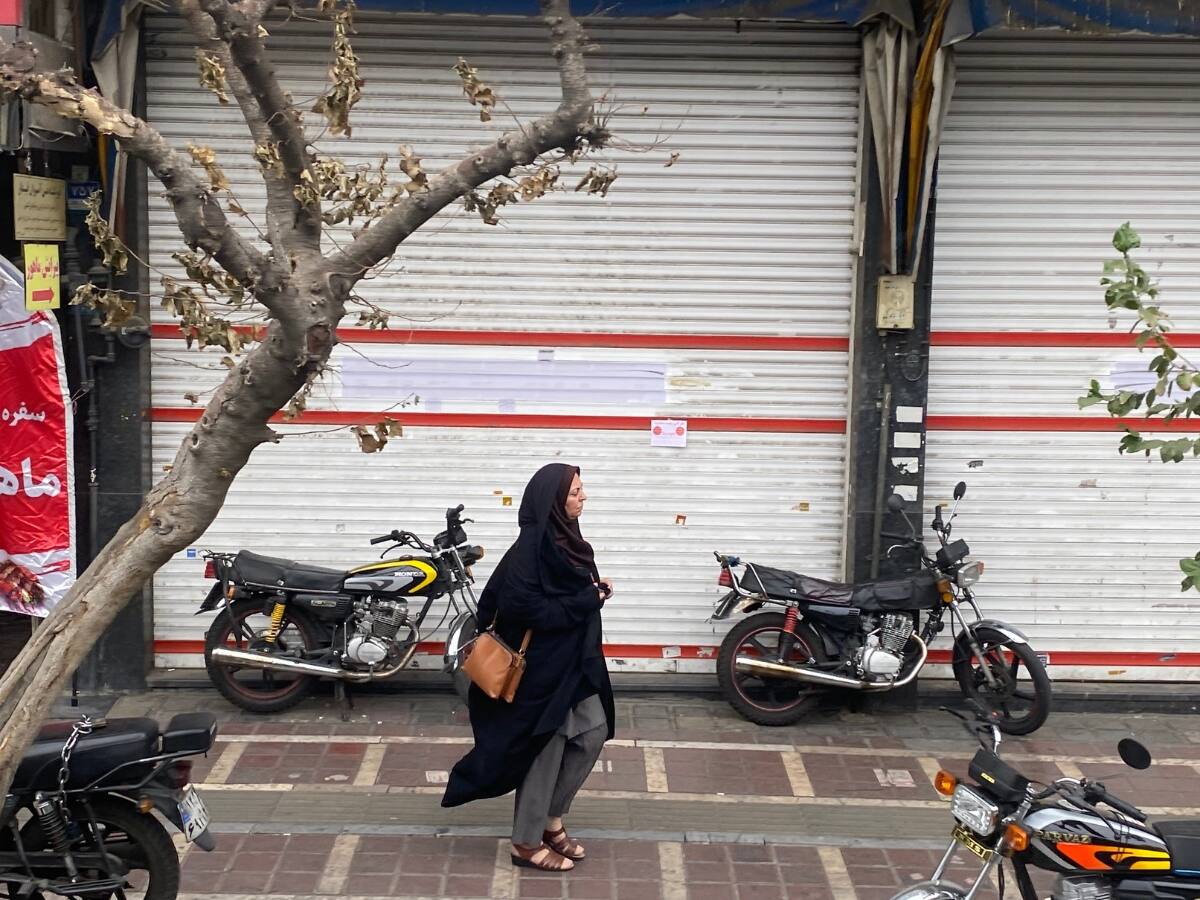
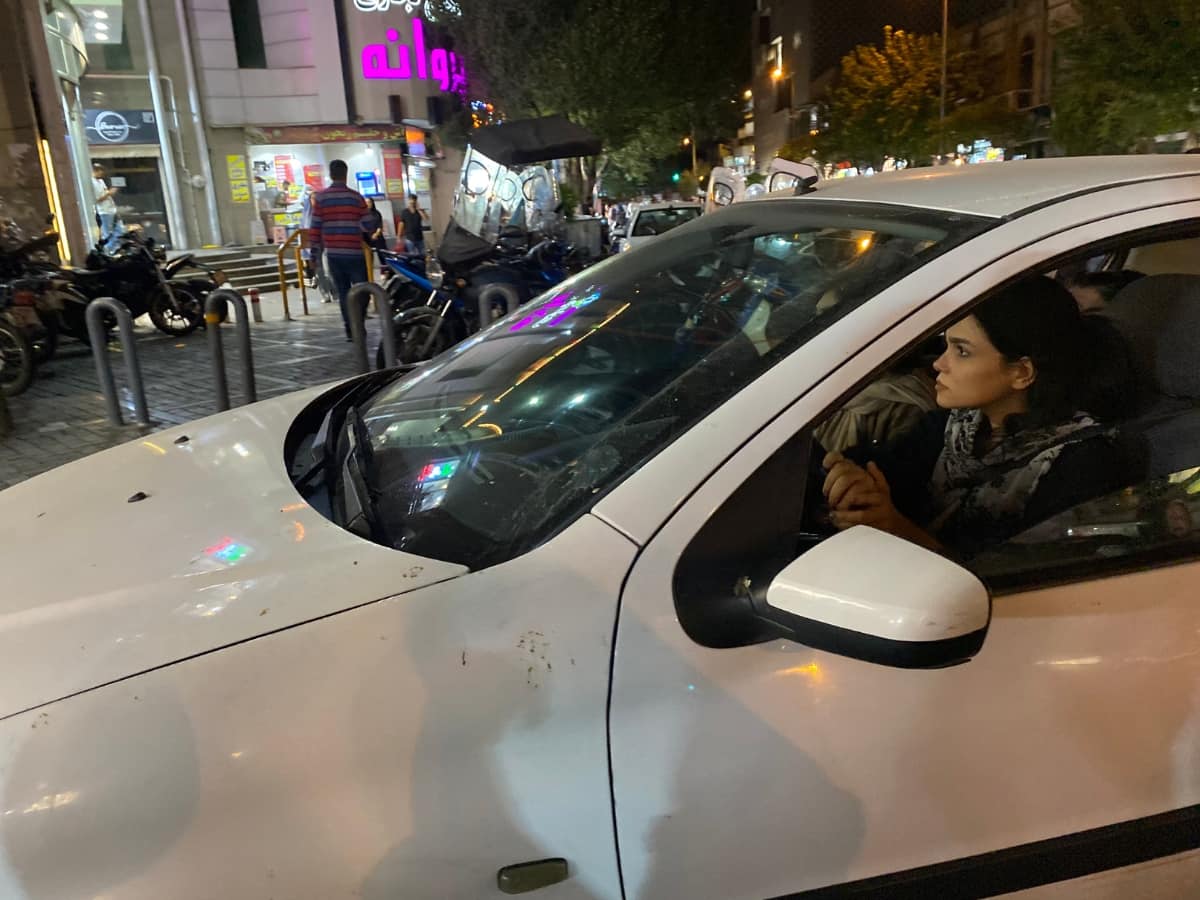
I was taken by surprise to see how Iranian women, unlike their Afghan counterparts, enjoy a rather normal life like us, barring the dress code. An average Iranian woman studies at least till the level of post graduation, some are proud PhD holders in science and maths, they drive cars, go to shopping malls and enjoy “me time”, take a bite at roadside cafés, date publicly in open air and roam around independently. They are professors, leaders, fire-fighters and pilots and they play all these roles while proudly dawning the headwear. They are anything but submissive. Yes, there is a simmering resistance in wearing the hijab and yes the Iranian regime can be harsh, but unlike the Taliban, the Khomeini regime believes in educating their womenfolk, of course under Islamic law. Whereas, the Taliban follows a regressive policy of keeping the women locked behind closed doors depriving them of even basic education. Less surprise there is why Iranian society is progressing today while Afghanistan remains stagnant or in a state of complete collapse.


In Mashhad, a historic and religious city that is home to the Imam Reza Shrine — one of the most revered places of worship for Muslims. The tomb of Iranian ruler Nader Shah, who plundered Delhi and looted its wealth in 1739, is also located here. But unlike Turco-Mongol conqueror Timur of Uzbekistan, who also came to India with the intention to strip Delhi of its wealth followed by a bloodbath, Shah is not revered in Iran as a national hero. While his tomb sees a daily influx of tourists from all around the world, Nader is hardly present anywhere in Iranian daily lives. One can only see gigantic images of Ayatollah Ruhollah Khomeini and Supreme leader Ali Hosseini Khamenei hanging from the walls of shopping malls to duty-free shops in Iranian airports, which despite the modernity around is bound to take one back to the days of 1979 Revolution when Iran ousted the then Shah (King) Mohammad Reza Pahlavi. Post 2020, however, there is another personality whose photos continue to hang in public places and office buildings that is of Qasem Soleimani, the Iranian commander killed by a US air strike at Baghdad airport in January 2020.
Till this day Iranians proudly call themselves to be “revolutionaries” and maintain an attitude to straight and tough talk. As I kept photographing the surroundings, buildings, malls, airports all adorning the photos of Khomeini and Khamenei, I could not help but remember the lines written in the photo-book – In Whose Name?: The Islamic World After 9/11 – by famous Iranian photographer Abbas: “The Revolution has spawned so many images that it’s produced a genuine photographic culture”.
Make no mistake, Iran has not forgotten those days. They relive the Revolution through various ways and means. They have not forgotten that America, then under President Jimmy Carter, gave shelter to the Shah, who was charged with embezzlement and corruption.
Women Of & In Iran
Feminism takes an all new shape in Iran. Women in leadership roles, speaking American English, read in American universities, follow the dress code dedicatedly. They have made the hijab look fashionable by wearing it with the ‘abaya’ sometimes in contrasting colours and sometimes in matching hues. They finish up the look by either wearing costly leather boots or uber sleek stilettos.
The Khorsheed Media Fest was also addressed by the Iranian President Ebrahim Raisi, who did not take a single question from the 100s of women journalists invited by him at the Presidential Palace’s convention centre in Tehran. Rather a few women reporters, only Muslims, were allowed to speak of their experience, and needless to say they said what was best suited for the occasion — bash the western press, speak highly about religion and show your love towards the dress code. President Raisi limited his speech to conveying his wishes to the fest and granting his approval to continue hosting the event biannually.
Prior to this, President Raisi’s wife, or the first lady of Iran, Jamileh Alamolhoda addressed the journalists on the second day of the festival in Mashhad. A professor and Ph.D holder, Alamolhoda is an influential voice in Iran who believes women should follow the Islamic dress code and religion. She is a staunch believer that women should play the role of a mother and wife and then the rest will follow. Reportedly, it is under her direction the hijab rebels are kept under check and out of public sight. Daughter of the Supreme Leader’s representative in Razavi Khorasan province did ensure that the participants of the Khorsheed Festival visit the Imam Reza shrine wearing the most traditional attire, irrespective of their religion and where they come from.
There are, however, places in cities like Mashhad where air-conditioned parks and play areas have been made where a mother can come with her child or children and literally let her hair down by opening the hijab. Women guards constantly monitor that place and nobody is allowed to take photographs there while the women enjoy their time without the headwear. The world for Iranian women is truly a dystopic one where they are living life in their own way, sometimes following the western style but bound by rigid religious beliefs. Their obsession with the West is palpable, what they do not agree with is the West preaching to them because that is something they also do not do.


Sanctions, What Sanctions?
Former US President Donald Trump’s sole aim seemed to bring Iranians to their knees even as he imposed sanctions after sanctions on Iran’s economy and minister while walking out of the 2015 nuclear deal. However, he or later on Joe Biden, who is the current US President, might be living under the wrong notion that Tehran is crippling. In fact, to an outsider like me coming from India, Iran looked perfectly normal and breathable, of course with economic challenges that any country today is facing in terms of inflation, lack of jobs and poverty.
Ali Vaez, Director of the Iran project, International Crisis Group, aptly puts it in his writings for The Atlantic: “…the Iranian leadership views economic sanctions as just one in a range of measures designed to destabilise it. Its counterstrategy can be summed up in two words: Resist and survive. The mere act of survival would constitute victory, however pyrrhic.” The truth in this line can only be realised if one visits Iran, without wearing the stereotypical goggles.
The sanctions, I felt, has come to be a boon in disguise for the Iranians, who have learnt to make everything from pin to plane all by themselves, now of course there is help coming in from China too. But mind you, Iranians sip a much better tasting Coca-Cola or a Pepsi than the average Indian. The Iranian economy, despite the issues of raging inflation, depreciating Rial and high rate of unemployment, is witnessing growth in start-ups and advanced technology. Iran is exporting millions of dollars worth of crude oil to China and weaker currency has enabled Iranian manufacturers to use imported goods for production.

Iran is living in its own world and trying to shape up a strategic corner of its own where there will be no space whatsoever for western ideology or western thoughts. In the ongoing crisis between Israel and Hamas, western experts and media repeatedly cited the role played by Iran purportedly in training the Hamas militants which the US intelligence agencies are now believed to be investigating. What the investigation will reveal we do not know but the rest of the world will continue to revolve around the US and Iran.
[Disclaimer: The opinions, beliefs, and views expressed by the various authors and forum participants on this website are personal and do not reflect the opinions, beliefs, and views of ABP News Network Pvt Ltd.]
[ad_2]
Source link